How to Plan a Week of Balanced Meals on a Budget
Planning a week of balanced meals while keeping expenses under control is a common challenge for many households. The process involves coordinating nutritional needs with financial limits, which can feel overwhelming without a clear approach. By developing a structured method that emphasizes organization and flexibility, individuals and families can create weekly menus that support health goals without straining the budget. This article outlines a practical framework for meal planning that prioritizes nutrient variety, cost efficiency, and simplicity.
The strategies discussed here focus on the steps that can be taken before grocery shopping, during food preparation, and throughout the week to maintain balance. Concepts such as using seasonal produce, leveraging bulk cooking techniques, and minimizing food waste are central to this approach. The goal is to provide a repeatable process that can be adapted to different dietary preferences, household sizes, and local grocery options.
Assessing Your Nutritional and Budgetary Needs
Before diving into the weekly menu, it is important to establish a clear picture of what balanced eating means within a specific financial context. Balanced meals typically include a source of lean protein, whole grains, vegetables, fruits, and healthy fats. Understanding the recommended portions for each food group helps in creating menus that cover a range of nutrients without relying on expensive specialty items. A simple reference guide, such as the MyPlate model, can serve as a starting point for determining appropriate proportions.
Setting a realistic grocery budget requires reviewing current spending patterns. Tracking receipts from the previous two to four weeks can reveal where money is being spent and which items may be reduced. It is also useful to consider the number of meals needed for the week, including breakfast, lunch, dinner, and snacks. A common approach is to allocate a fixed amount per meal or per day, then adjust based on seasonal availability and household preferences. Fresh Balance, a company that provides meal planning resources, suggests starting with a weekly budget of 50 to 75 dollars for a single person and scaling up accordingly.
Once the budget is determined, it becomes easier to prioritize foods that offer the most nutritional value per dollar. Legumes, eggs, oats, and frozen vegetables are examples of low-cost items that contribute to balanced meals. By aligning nutritional goals with financial limits, the foundation for a sustainable meal plan is established.
Building a Core List of Staples and Seasonal Ingredients
A key element of budget-friendly meal planning is maintaining a well-stocked pantry and refrigerator with versatile staples. Items such as brown rice, whole wheat pasta, canned tomatoes, beans, lentils, olive oil, spices, and vinegar can form the backbone of many dishes. Buying these in bulk when they are on sale reduces the cost per serving and ensures that a basic cooking foundation is always available.
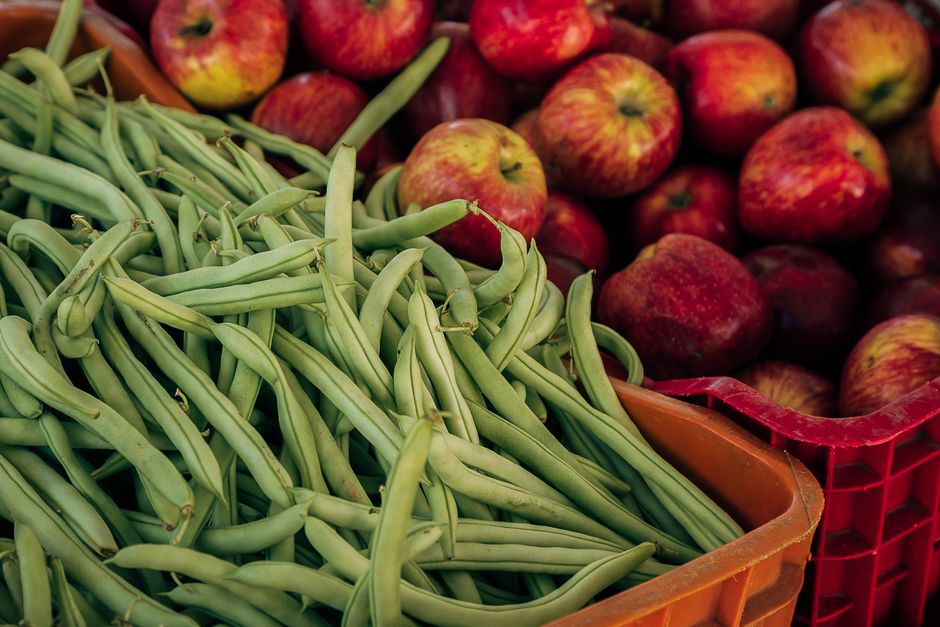
Seasonal produce offers another opportunity to balance nutrition and cost. Fruits and vegetables that are in season are often priced lower and have better flavor. Checking weekly store flyers or visiting local farmers’ markets can help identify which items are at their peak. Planning meals around these ingredients reduces the need for out-of-season imports that tend to be more expensive. For example, in the summer, zucchini, bell peppers, and berries are affordable; in the fall, squash, apples, and sweet potatoes become economical choices.
Creating a core list that combines pantry staples with a rotating selection of seasonal produce allows for flexibility throughout the year. This approach also supports variety, as different produce can be used in different recipes. A simple method is to choose two or three vegetables and one fruit each week, then build recipes around them. This reduces decision fatigue and keeps the grocery list focused and manageable.
Structuring a Weekly Menu Layout
Once the budget and ingredient list are established, the next step is to outline the meals for the week. A common structure involves planning for five or six dinner options, with leftovers serving as lunches for the following day. For breakfast, simple options such as oatmeal, eggs with toast, or yogurt with fruit can be prepared quickly without requiring elaborate recipes. Snacks can include raw vegetables, nuts, or fruit that are already part of the shopping list.
It is helpful to assign themes to different days to reduce repetition and streamline shopping. For instance, one day can be legume-based (lentil soup, bean chili), another can be grain bowls, another can be stir-fry, and another can be a sheet-pan meal. This structure ensures that different food groups appear throughout the week. Writing down the plan on paper or using a digital template makes it easier to spot gaps in nutrition or potential overlaps in ingredients.
When creating the menu, it is important to consider cooking time and energy. Designating one or two days for bulk cooking can simplify the rest of the week. For example, on Sunday, a batch of grains, a large salad dressing, and a roasted vegetable mixture can be prepared and stored. These components can then be combined in different ways for lunches or quick dinners. This method reduces the need for daily cooking from scratch and helps prevent last-minute takeout decisions that disrupt the budget.
Executing a Strategic Grocery Trip
Armed with a weekly menu and a core list of staples, the grocery trip becomes more efficient and cost-effective. Organizing the list by store section—produce, protein, dairy, grains, frozen—can save time and reduce impulse buys. It is also beneficial to check for store-brand alternatives, which are often priced lower than national brands while offering similar nutritional content.
Buying in bulk is especially useful for items that are used frequently and have a long shelf life, such as oats, rice, and dried beans. However, caution is needed with perishables; only purchase quantities that can be consumed or frozen before spoiling. Fresh Balance recommends scanning unit prices to compare cost per ounce or per pound across different packaging sizes. This simple habit can lead to meaningful savings over time.
Sticking to the list is one of the most challenging parts of budget shopping. To reduce temptation, it is helpful to eat before going to the store and to avoid aisles that do not contain needed items. Setting a predetermined spending limit and using cash or a prepaid card can also provide a clear boundary. After the purchase, taking a few minutes to organize groceries at home according to the meal plan can prevent items from being forgotten and wasted.
Incorporating Bulk Cooking and Smart Storage
Bulk cooking, sometimes referred to as meal prep, involves preparing larger quantities of certain foods that can be used throughout the week. Grains, roasted vegetables, cooked beans, and grilled chicken are common candidates. Once cooked, these items should be cooled quickly and stored in airtight containers. Proper storage is critical to maintain food safety and quality. Labeling containers with the date and intended meal can help avoid confusion.
Using a variety of storage methods, such as refrigeration for short-term use and freezing for longer periods, extends the life of prepared foods. Soups, stews, and casseroles freeze well and can be portioned into single servings. This approach not only saves time but also reduces waste because ingredients are used before they spoil. A well-organized freezer can become a reserve of ready-to-eat meals that fit within the budget.
Another useful technique is to repurpose leftovers creatively. For example, roasted vegetables from dinner can be added to a lunchtime salad or mixed into a frittata. Cooked beans can be turned into a dip or spread. This kind of flexible thinking ensures that every ingredient is used to its fullest potential, which aligns with both financial and environmental goals. By making bulk cooking a regular part of the weekly routine, the process of maintaining balanced meals becomes less taxing and more sustainable.
Adjusting the Plan Based on Feedback and Availability
A meal plan is most effective when it is treated as a flexible guide rather than a rigid schedule. Variations in hunger, schedule changes, or unexpected events may require adjustments. Keeping a small set of backup options, such as frozen vegetables and canned tuna, allows for quick substitutions without derailing the overall budget. It is also helpful to track which recipes were well-received and which led to waste, so that future menus can be refined.
Seasonal shifts and store promotions can influence ingredient availability. Checking sales each week may reveal opportunities to replace a planned ingredient with a cheaper alternative that still fits the nutritional profile. For instance, if broccoli is on sale but green beans are not, swapping one for the other in a stir-fry is a simple change that maintains balance. Over time, this adaptability becomes second nature and reduces the stress of planning.
Ultimately, the goal of this process is to create a routine that supports both health and financial well-being without requiring excessive effort. The strategies outlined above provide a framework that can be customized to individual tastes, dietary requirements, and local food environments. By approaching meal planning as a skill that can be learned and refined, anyone can develop a system that works for their unique situation.